 31 Oct 2013

Southwest Florida boasts more than one million acres of nature sanctuaries, most of which have paths or boardwalks that allow visitors to easily explore and enjoy. These refuges boast unspoiled wetlands where everyone can experience the beauty of the state in its virgin condition and an abundance of wildlife thriving in its native setting.
Prime examples of such areas and activities include: the J.N. “Ding” Darling National Wildlife Refuge; the Sanibel-Captiva Conservation Foundation, the Calusa Nature Center, Lovers Key State Park, Matanzas Pass Wilderness Preserve, Mound Key, Cayo Costa State Island Preserve, Six Mile Cypress Slough Preserve, Manatee Park, Babcock Wilderness Adventures, Gulf Coast Kayak, Ostego Bay Foundation, Corkscrew Swamp Sanctuary, Big Cypress Preserve and the Everglades National Park.
The J.N. “Ding” Darling National Wildlife Refuge, named after 1920's Pulitzer Prize-winning cartoonist and pioneer environmentalist Jay Norwood Darling, is a 6,400-acre tract on the northeast side of Sanibel Island. The refuge features delightful footpaths, winding canoe/kayak trails and a four-mile scenic drive, all of which are lush with seagrape, wax and salt myrtles, red mangrove, cabbage or sabal palms and other native plant varieties.
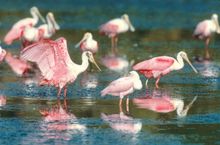
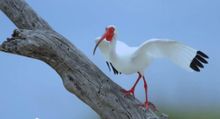
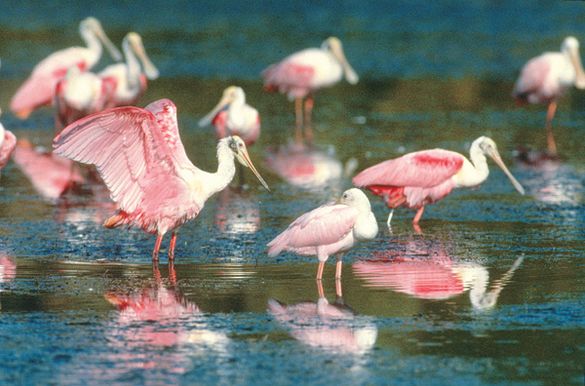
Meandering through a lush mangrove forest is the Commodore Creek Canoe Trail, a one and half mile waterway named after an early homesteader, and the three-mile Buck Key Kayak Trail. For the athletically inclined, Tarpon Bay Explorers, Captiva Kayak and Wildside Adventures rent canoes and kayaks. A guided tour with a naturalist is essential for maximum appreciation of the refuge. During a stimulating walk, canoe trip or drive, visitors may see one of many endangered or threatened species, some of which are relatively common along this trail. Shy white pelicans, roseate spoonbills (often mistaken for flamingos), manatees, wood storks, bald eagles, American peregrine falcons, ospreys, herons, American alligators and Atlantic loggerhead turtles have been sited with frequency.
Located near the Darling refuge is the Sanibel-Captiva Conservation Foundation, which features a nature centre, native plant nursery, gift shop and four and a half miles of nature trails. Many of the same species that inhabit the Darling refuge also can be found here.
The CalusaNatureCenter and Planetarium, located on Ortiz Boulevard, southeast of Fort Myers, maintains bird and butterfly aviaries, a short boardwalk through a natural swamp and several exhibits in a central building. The planetarium, opened here in 1986, offers day and evening presentations, laser light shows, lectures and special programs.
One of the area's most charming and distinctive parks is LoversKeyState Park on BlackIsland, just south of Fort MyersBeach. A delightful tram transports visitors along a rustic boardwalk, crossing picturesque Oyster Bay and mangrove isles, to one of the most private public beaches anywhere. Lovers Key is fraught with romantic possibilities and claims a section of unspoiled beach where one can cast at surf line, picnic with raccoons, bird watch and search the shoreline for seashells.
Originally founded by LeeCounty naturalists and now maintained under a stewardship agreement, Matanzas Pass Wilderness Preserve on EsteroIsland (Fort MyersBeach) overlooks EsteroBay. The preserve has 56 acres of unspoiled live oak hammock and 4,000 feet of mangrove shoreline, all of which can be explored from an elevated boardwalk. One of Fort MyersBeach's best known eco-attractions, Matanzas Pass Wilderness Preserve also features a canoe landing and viewing deck on the backbay.
Equally beautiful is Mound Key, which is largely constructed from shells deposited there by Calusa Indians several centuries ago. A favourite with professional archaeologists, history buffs and picnickers, Mound Key is accessible only by boat from the southern tip of EsteroIsland.
Also accessible only by boat, and well worth the trip, is Cayo Costa State Island Preserve, north of CaptivaIsland in Pine Island Sound. One of the older barrier islands along the coast, Cayo Costa is a veritable paradise of deserted white-sand beaches, sabal palms, Australian pines, dense cabbage palm forests and gumbo limbo hammocks. The only full-time human residents on the island are the assistant park manager and two park rangers, who share this natural environment with sea birds and a few wild pigs. Because the island is fairly remote, its shores are noted for their excellent shelling potential.
The true excitement of a real Florida adventure can be obtained through Babcock Wilderness Adventures east of North Fort Myers. Here, visitors can travel in a comfortable swamp buggy on a voyage through the beautiful woods and wildlife-populated waters of the TelegraphCypressSwamp to come close to panthers, alligators, deer, wild turkey and boars in their natural settings.
To interact with a variety of fauna and flora, mammals and reptiles in their natural habitat whilst visiting a 2,000-acre wetland ecosystem the Six Mile Cypress Slough Preserve is hard to beat! Stroll at leisure along the mile-long boardwalk through the preserve, a natural 'drainage-way' that collects rainfall from a 57-square-mile watershed area, cleans the water as it flows southwest, and delivers fresh water to the Estero Bay Aquatic Preserve.
Expand your outdoor activities and tour southwest Florida's subtropical and unspoiled waters in the Pine Island Sound and MatlachaPass with GulfCoast Kayak. Explore plant and animal habitats as you paddle through 'Florida's rainforest' mangrove system. Trips to Matlacha, NorthCaptivaIsland, and CayoCostaIslandState Park with overnight and weekend options with sunset boarding and manatee safaris are also available.
Ostego Bay Foundation offers a touch tank and aquarium exhibits and an insight into how the global environment is interconnected is give at the MarineScienceCenter.
Internationally recognised Corkscrew Swamp Sanctuary, southeast of BonitaSprings, is a watershed and cypress forest owned and operated by the National Audubon Society. See varieties of wading and migratory birds and other wildlife on two miles of nature trails through the largest virgin bald cypress forest in the United States. Somewhat further afield, the Everglades National Park and Big Cypress Swamp, home of the National Audubon Society, are a convenient day-trip from anywhere in the vicinity.
Visitors can hire a canoe or kayak through trail winds on the Great Calusa Blueway which provides nearly 100 miles of clearly marked waterways and trails that give paddlers a chance to explore the area's backbays and estuaries while taking in wildlife refuges creeks, bayous, rivers and mangrove forests. Many of the trails follow the course charted some 2,000 years ago by the area's earliest residents, the Calusa Indians.
For further information about The Beaches of Fort Myers & Sanibel please visit www.fortmyers-sanibel.com
-ends-
For more further information or images please contact Jules Ugo or Amelia Astley Birtwistle at Lotus UK on 0207 593 7470 or firstname@lotus-uk.co.uk
In the United States please contact Nancy Hamilton at The Beaches of Fort Myers & Sanibel on 001(239) 338 3500 or NHamilton@leegov.com
EDITOR'S NOTES: The Beaches of Fort Myers & Sanibel in southwest Florida includes: Sanibel Island, CaptivaIsland, Fort MyersBeach, Fort Myers, BonitaSprings, Estero, Cape Coral, PineIsland, Boca Grande & Outer islands, North Fort Myers, Lehigh Acres.