 21 Apr 2004

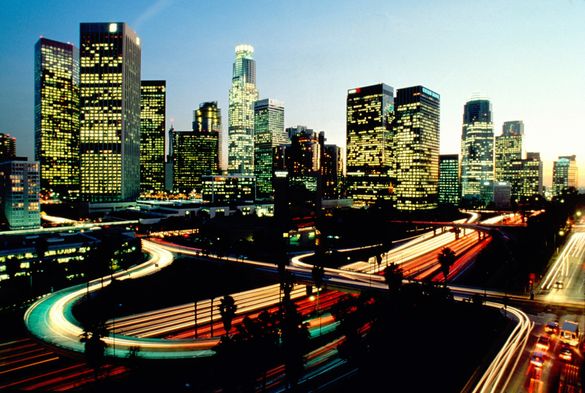
Nestled beneath a soaring cityscape of mirrored glass and polished steel, imported marble and wrought iron latticework, a new Mecca of culture and entertainment is emerging within Los Angeles' bustling metropolis of trade and commerce. Swept up in a forward momentum that is spurring billions of dollars in new development, cosmopolitan Downtown Los Angeles is taking on a distinctly uptown attitude.
One of the latest additions to Los Angeles is the highly anticipated Walt Disney Concert Hall, which debuted in October. Designed by architect Frank O. Gehry, this new home of the L.A. Philharmonic and Master Chorale is the fourth addition to the Music Center of Los Angeles County. This striking addition to L.A.�s cultural and architectural landscape includes a 2,265-seat concert auditorium, a 2,500-car garage and an outdoor garden complete with expansive gardens, shops and restaurants. A few blocks away lies the Cathedral of Our Lady of the Angels, which opened in September 2002. Designed to link the secular with the spiritual, this modern cathedral, designed by award-winning Spanish architect Jos� Rafael Moneo, rises high above a five-acre complex complete with a 20,000-square-foot plaza, Mission-style colonnades, art created by world-acclaimed artists, Biblically-inspired foliage gardens, a rectory and an 11,000-square-foot conference center for hosting special events and conferences. A little deeper in the city is the highly publicized STAPLES Center, located adjacent to one of the largest facilities for conventions, meetings and tradeshows on the West Coast�the Los Angeles Convention Center. As the home of the Los Angeles Kings hockey team and the Los Angeles Lakers, Clippers and Sparks basketball teams, this $300-million state-of-the-art arena also hosts some of the world's largest entertainment and political events, including the Grammy Awards, ESPN X Games and the high profile Democratic National Convention. A crowning jewel of Downtown's cultural renaissance, the Japanese American National Museum, stands as a testament to humanity through an insightful examination of the Japanese American experience. The soaring 85,000-square-foot Pavilion overlooks an ancient Buddhist Temple, bridging East and West, yesterday and tomorrow. Designed by renowned architect Gyo Obata, the museum attracts more than 150,000 visitors to Downtown each year. Steps away, travelers can literally walk upon a 1,000-foot public art installment titled "Omoide no Shotokyo," or "Remembering Little Tokyo." Through text and quotations etched into the sidewalk fronting 13 historic buildings, the piece commemorates more than six decades of Japanese American life, from immigration in the 1890s to the World War II internment camps. Next-door, Frank O. Gehry refashioned a former warehouse into the Geffen Contemporary, now host to renowned collections and exhibits by modern and emerging artists. This site is one of three Museum of Contemporary Art (MOCA) locations. Five minutes away, the main MOCA at California Plaza houses an exhibit featuring artist Lucian Freud and Conversations, a collection of contemporary artists work from post-war. Housed in a striking $23-million Roman-brick building complete with a 416-seat concert hall, the Colburn School of the Performing Arts adds to Downtown's cultural scene. Featuring an Orchestra Rehearsal Hall with a view of the city lights, a Recital Hall and two dance studios, this location has been used in The West Wing and The District TV shows. Nearby, the California Science Center invites inquisitive minds to wonder, discover and learn at one of the most interactive and innovative museums in the world. Since its opening in 1998, the center has redefined "learning" through imaginative and stimulating exhibits that encourage guests to explore their world in new ways.
Bringing Hollywood business to Downtown Los Angeles are the Los Angeles Center Studios, the largest full-service independent film studio to be created since the 1920s. On any given day, passersby must sidestep bright lights, filming crews and movie trailers to get where they need to go. The filming of Arnold Schwarzenegger�s film, Terminator 3: Rise of the Machines was produced on-site. This state-of-the-art studio brings six 18,000-square-foot sound stages with 72 attached dressing rooms Downtown. The gated studio campus includes a 400-seat theater, screening and meeting rooms, a film storage vault, 430,000-square-feet of renovated office space, and parking facilities. Recently opened Flix Caf�, a full-service on-site commissary, completes the studio and eight additional sound stages are planned for the near future. Restaurateurs are betting their hot sauce that Downtown's new developments will attract nighttime crowds in search of trendy, sophisticated places to wine and dine. Chefs Mary Sue Milliken and Susan Feniger�s Ciudad seduces diners with flavors from the world's great Latin centers. At historic Union Station, Traxx relives the golden age of travel by rail by serving smashing meals in a retro atmosphere that is first-class all the way. The award-winning Water Grill dishes up seafood delicacies in a sophisticated style all its own, while Caf� Pinot turns one of L.A.'s most chic dining experiences into a lunchtime hotspot for movers and shakers. At Cicada, the Art Deco glamour is rivaled only by the swank restaurant's sensual cuisine. Nick and Stef�s, named for Chef Joachim Splichal�s twin sons, offers a sleek and classic dining experience for steak lovers. Zucca looks the part of a big city ristorante and the Italian cuisine draws people in off the streets. The Palm continues its family-owned New York tradition of serving the best steaks and the largest lobsters in town beneath its signature caricatures of local notables and celebrities on the walls. Arnie Morton�s, another famous traditional steakhouse, is known for serving generous portions of USDA prime aged beef, as well as fresh fish, lobster, veal and chicken entrees. Visitors to Downtown soon discover they can travel the globe in a single day. On Olvera Street, the legacy of Los Angeles' founders lives on amidst the strolling Mariachis, brightly woven blankets, and hand-crafted silver jewelry displayed in small booths and stores that line the street. In Chinatown, dim sum has put omelets on the back burner for Sunday brunch, and Chung King Road, a Chinatown pedestrian thoroughfare, has become the newest draw for a hip art community eager to view eleven galleries� up-and-coming avant-garde artist�s works exhibited on a rotating six-week basis. The Chinese American Museum tells the history of L.A. County's Chinese community, while Little Tokyo, Koreatown, Thailand Plaza and African American centers pulse with the energies of cultures from around the globe. On the outskirts of Downtown's financial center, artists' lofts, including the Brewery and the Santa Fe Artists' Colony, team with the creations of renowned Los Angeles artists. Area hotels are aligning their resources with the future of Downtown as well. The elegant Millennium Biltmore Hotel underwent a $40-million renovation, while the Los Angeles Marriott Downtown underwent a $6-million facelift that includes the creation of a state-of-the-art fitness center and the refurbishment of guest and meeting rooms. The Wilshire Grand Hotel & Centre, the closest premier property to the Los Angeles Convention Center and STAPLES Center, features four restaurants serving American, Korean, Japanese, and Italian cuisine and a bar/nightclub called Point Moorea. For the young and trendy, The Standard has expanded Downtown to draw a business traveler who enjoys witty d�cor and a 24-hour restaurant serving international comfort food. For added convenience, traveling to and around Downtown has never been easier. The MTA's 300-mile subway and light rail system�the Red Line, the Green Line, the Gold Line and the Blue Line�all lead to Downtown. The Metro Rail is further enhanced with various stations along the Red Line, including stops at Hollywood and Vine, Hollywood and Highland, Universal City and North Hollywood. At historic Union Station, travelers can relive the golden days of rail by taking a journey on one of Amtrak's new state-of-the-art trains, equipped with all the desired amenities. Added to the mix are several successful Business Improvement Districts (BID). The Fashion BID, Downtown BID, Historic Core BID and Central City East BID (Toy BID) have all been instrumental in upgrading Downtown L.A. Formed through a self-imposed tax, Business Improvement Districts allow business owners to take control of their destinies, and their bottom lines, by enhancing the neighborhood�s safety and aesthetic appeal. A center of trade and commerce with a dramatic cultural edge, Downtown Los Angeles is entering the new millennium as a city of style, sophistication and substance. Firmly grounded with billions of dollars in investments and strategically poised with an eye on the future, Downtown is leading L.A.� and the world�into the next century.
###
Media Contact: Rebecca Pang +1 213-624-7300 rpang@lainc.us