 16 Jun 2026
Tags: Brisbane, Visit Brisbane, Brisbane Winter, Queensland, Brisbane dining

While much of Asia retreats indoors from rising humidity and relentless heat, winter in Brisbane and South East Queensland overall, presents itself quite differently. Temperatures hover in that sweet spot between 14 to 20 degrees Celsius, where days are still warm enough for outdoor dining, and nature experiences, but cool evenings call for wind downs at wine bars, outdoor fireplaces and slow-cooked hearty meals on the side. And perhaps that is why winter has quietly become one of Brisbane's best kept secrets.
From whale sightings to oyster shucking, luxury farm stays in Scenic Rim, craft distilleries, family activities and some of Australia’s most exciting restaurants, this is the season where the region slows down beautifully, and starts to show off, just a little.
1. Whale Watching Along Queensland’s Coastline
Winter marks the beginning of whale migration season in Queensland, and few places feel quite as special for sightings, one such example is North Stradbroke Island.
Known affectionately by locals as “Straddie,” the island becomes one of the best land-based whale watching destinations in Australia between June and September, with humpback whales frequently spotted breaching just offshore along the North Gorge Walk.
With hardly any crowds or massive tourist vessels dominating the horizon, visitors can find themselves walking coastal cliffs with uninterrupted ocean views, often spotting other wildlife such as dolphins and manta rays from the shoreline itself.
Pair it with fish and chips by the beach, hidden beach coastal walks and afternoon tipples at the local beer brewery, and it quickly becomes the kind of winter weekend Asia based travellers rarely get to experience.
2. Oyster Shucking and Seafood Trails in Moreton Bay
Winter also happens to be peak seafood season in the waters surrounding Moreton Bay, where cool conditions make long afternoons by the water feel particularly indulgent.
Experiences such as Brisbane Oyster Farm Tours have become increasingly sought after, combining boat journeys across the bay with hands-on oyster farming experiences, long-table tastings and a deeper look into the region’s growing aquaculture scene.
Combined with Moreton Bay bugs, local prawns and waterfront breweries, the region has quietly built a strong culinary identity centred around produce and relaxed coastal dining. Travellers can pair seafood trails with island adventures, kayaking, dolphin experiences or slow drives through the peninsula towns, such as Margate, Redcliffe, or Scarborough surrounding the bay.
Further along the coastline near Redcliffe, Woody Point offers one of the peninsula’s quieter pleasures during winter gentle waterfront walks lined with Norfolk pines, calm sea air and uninterrupted sunset views across the bay.
3. The Scenic Rim: Australia’s Answer to Slow Winter Escapes
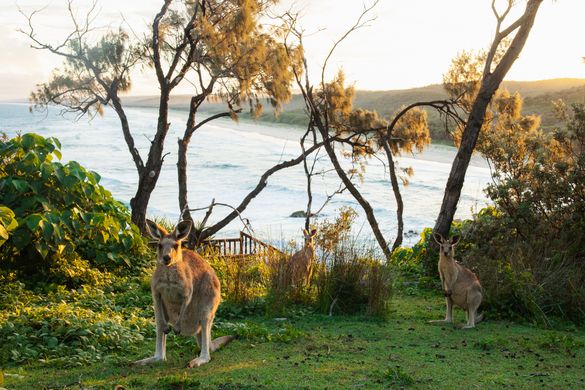
Just over around 90 minutes from the Brisbane CBD, the landscape changes dramatically. Down south at the Scenic Rim, cooler temperatures make the region’s luxury lodges and rainforest drives even more compelling. Properties such as the Beechmont Estate offer expansive mountain views and refined dining at its award winning restaurant The Paddock, featuring farm to table produce that feel worlds away from city life. You can even spot a wallaby or two outside your porch during sunrise.
Perched further up north, the lush surrounds of Verandah House Country Estate, has quickly become one of the Scenic Rim’s more quietly luxurious stays, known for its magnesium pool, sauna experiences, expansive escarpment views and intimate long-table dining experiences that lean into wellness and slow living.
Just minutes away, Mount Tamborine’s Main Street, offers a charming contrast to the stillness of the estate, lined with small wine bars, artisanal stores, antique shops, local cafés and providores that invite slow afternoons of wandering. Visitors can move easily between cellar doors, fudge shops, bookstores and cosy cafés before retreating back into the calm of the hinterland by evening.
4. Gin Weather Is Real Here
Winter in South East Queensland also happens to be prime gin-drinking season.
The region’s craft distillery scene has quietly evolved into one of Australia’s most exciting, with many producers drawing on native botanicals, such as the folks from By.Artisans in the inner city suburb of West End.
Gin tasting here takes on a distinctly Queensland identity, with small-batch spirits infused with native botanicals such as lemon myrtle and eucalyptus, Alongside its native botanical-led spirits, By.Artisans also supports wildlife conservation initiatives, adding a purposeful element to the tasting experience.
Meanwhile in the hinterland, distillery visits become part tasting, part countryside drive. Tucked within the North Stores precinct on Mount Tamborine, Loborn has quietly built a following for its modern Australian amaros, aperitifs and small-batch spirits that draw heavily from the botanicals and produce of the surrounding region. While gin remains part of the experience, Loborn is particularly known for bringing a more contemporary interpretation to traditional European-style amaro culture.
An unlike Europe’s winter drinking culture, this one still comes with blue skies versus cloudy atmospheres.
5. Brisbane’s Restaurants Hit Different in the cold
Across the city, menus become moodier, richer and far more produce-driven, with chefs leaning into peak-season Queensland ingredients that arrive at their best during the cooler months, Moreton Bay bugs, Pacific oysters, black truffles, local mushrooms, flame-grilled meats and slow-cooked dishes designed for long dinners that stretch late into the evening.
Clarence's arrival in Fish Lane is emblematic of Brisbane's coming of age as a dining destination. Known for its produce-led philosophy and close relationships with local growers, the restaurant sources much of its seasonal produce from Neighbourhood Farm in Oxley only 15 kms away from the CBD, bringing a true paddock-to-plate approach into the heart of the city.
Meanwhile, iconic restaurants like Agnes continues drawing diners into Fortitude Valley for its new fire-driven menus, where smoke, coal and open flame become central to dishes built around cooler weather produce. Across the city, newer-generation venues such as Ruma Rooftop, Suum and +81 Sushi Kappo are also helping push Brisbane into a more globally relevant dining conversation, through sharp cooking, and strong culinary identities.
Seafood becomes especially hard to ignore during winter. Moreton Bay bugs appear across menus citywide; charcoal-grilled, folded through handmade pasta, served with native citrus butter or layered into Cantonese and modern Asian dishes, alongside crisp Queensland wines and martinis at the city’s growing collection of wine bars and rooftop venues.
Suddenly out of nowhere, Brisbane starts feeling less like Australia’s quiet town and more like somewhere seriously worth flying for just to eat.
6. Family-Friendly Activities without the big freeze
For families, winter in Brisbane feels like the season where the city becomes one giant outdoor playground.
The cooler temperatures make it possible to spend entire days outside comfortably. Mornings can begin with riverside walks through New Farm Park, where one of Brisbane’s best playgrounds and open green lawns sit just beside the buzzing arts precinct of Brisbane Powerhouse. Families can then cycle along the Brisbane River or stop for long café breakfasts without battling humidity or the heat.
For older children and teens, winter also opens up some of Brisbane’s more adventurous experiences. Kayaking along the river with Riverlife Adventure Centre becomes far more enjoyable in crisp weather, while climbing the Story Bridge at sunset during winter offers sweeping views across the city without the intensity of summer heat. Walking tours through Brisbane’s laneways, public art spaces and riverside precincts also become surprisingly enjoyable during the cooler months.
The cultural side of the city comes alive too. Families can spend afternoons moving between the Queensland Museum and Queensland Art Gallery and Gallery of Modern Art, where major exhibitions, interactive installations and family-friendly programming make winter afternoons feel anything but slow.
And then there is Eat Street Northshore; part night market, part live music venue, part global street food playground, where families gather along the waterfront under glowing neon lights, moving between lobster rolls, Japanese skewers, hot donuts and live performances late into the evening.
A Different Kind of Winter
Winter in South East Queensland is less about chasing a season, and more about the lifestyle that comes with it. For travellers escaping Asia’s heat and humidity, Brisbane offers a version of winter that feels distinctly Australian, where its less about hibernation, and more about living well outdoors. It is this effortless blend of climate, culture and outdoor living that continues to define Brisbane's appeal as one of Australia's most liveable and enjoyable winter destinations.
About Brisbane Economic Development Agency:
Brisbane Economic Development Agency (BEDA) drives the sustainable economic growth of the city. As Brisbane's champion, BEDA works closely with government and private sector organisations to enhance and promote the city's reputation globally, drive visitation, attract investment and talent and grow local business.
About Brisbane Airport Corporation:
Brisbane Airport is Queensland's most important transportation hub. It is a 24/7 precinct in one of the fastest-growing regions in Australia. It serves a city and state alive with opportunity as the host for the 2032 Olympic and Paralympic Games.