17 Mar 2026

As the Yukon begins to thaw, spring brings a fresh surge of energy to the North. From April to May, days stretch to 12 to 16 hours of daylight and temperatures range from 5°C to 15°C, creating ideal conditions to explore. Wildlife stirs back into action as bears emerge with their cubs, migratory birds return in their millions and the landscape starts to bloom. With crisp blue sky days and fewer visitors, spring is the perfect time for outdoor adventure, from late season skiing and snowshoeing to hiking, biking and wildlife watching.
Spring in the Yukon territory also brings one of North America's most spectacular wildlife events: the annual bird migration. Each year, around 3,500 trumpeter swans and an astonishing 250,000 sandhill cranes pass through the territory, with some of the best viewing spots at Marsh Lake and Faro. These headline species are joined by hundreds of others, including majestic bald eagles and the remarkable Arctic tern, which travels more than 13,000 km from Antarctica to the Arctic to nest, one of the longest migrations of any bird on Earth. Yukon's wetlands, lakes and wide-open wilderness make it an extraordinary place to witness this seasonal spectacle.
Situated in northwest Canada beside Alaska, the Yukon remains one of North America's last great undiscovered destinations, home to Mount Logan, the planet's largest non polar icefields and vast stretches of untouched wilderness. Another seasonal highlight is the northern lights, still visible until mid April, now enjoyed with the added comfort of milder spring temperatures.
Here are some top reasons to visit the Yukon this spring:
Bears and Cubs on the Move
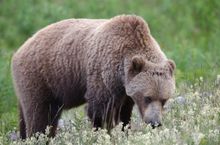
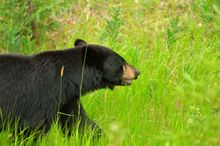
Black bears appear in March and April, followed by grizzlies in May, often with cubs in tow, making spring one of the best seasons for unforgettable wildlife encounters. The Yukon territory is home to Grizzly bears, Black bears, and in the far north, majestic Polar bears up in Ivvavik National Park. Grizzlies are brown-blonde and can weigh up to 800 pounds. Black bears are brownish-black, and can weigh up to 400 pounds. While bears usually leave their dens around April and May, visitors may encounter a bear in any season, including winter. Bears breed in May and June, which is when they head to meadows, rivers, and alpine areas to seek out food.
Wildlife Everywhere You Look
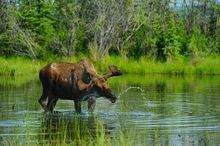
It's not just the bears that spring back into life in the 80% pristine wilderness though; there's mass migrations of other animals at this time of year too. Moose, caribou, Dall's sheep and lynx are more active, while returning birdlife fills the skies and wetlands. Roughly the size of Spain at just over 186,000 square miles, the Yukon is also home to more than 160,000 caribou, 70,000 moose, 22,000 mountain sheep, and 250 species of birds, with a human population of only 47,000. In Faro each spring, view thousands of sandhill cranes as they migrate through the Yukon community on their way to their breeding grounds farther north. Wildlife sightings are guaranteed at the Yukon Wildlife Preserve, open year round and home to iconic northern species including moose, elk, mountain goats, muskox, wood bison and thinhorn sheep. Spring is an especially magical time to visit, as many animals give birth, meaning visitors often have the chance to see adorable baby wildlife and animals playing in their vast natural habitats. The non profit preserve also houses a Wildlife Research and Rehabilitation Centre, where injured animals are cared for and, when possible, returned to the wild.
First Nations Culture and Living Traditions
Spring offers a meaningful opportunity to connect with the welcoming Southern Lakes First Nations communities in Teslin and Carcross, where museums, heritage centres, traditional art and storytelling bring Tlingit and Tagish culture to life. First Nations history runs as deep as the rivers in the Yukon. The territory has a rich and varied Indigenous culture, and visitors can experience this diversity in 2026 through vibrant events, historic attractions, and new immersive adventures. Here, travellers can step into a lifestyle dating back more than 12,000 years and learn about the 14 distinct First Nations, each with its own traditions and heritage. Eleven of the 14 First Nations have signed self-government agreements and oversee their own resource management, economic development, and social programs. Visitors are always warmly welcomed by local communities and will discover exceptional First Nation artwork, craft, storytelling, and culture across the territory.. Visitors to Yukon are encouraged to follow Respectful Travel Guidelines created by First Nations Knowledge Keepers, which ask travellers to remember they are guests on Indigenous homelands. This includes learning whose traditional territory they are visiting, respecting cultural sites and local customs, caring for the land by leaving no trace, and observing wildlife from a respectful distance. distance.
Trails Without the Crowds
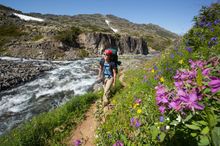
As snow recedes, hiking and biking trails reopen, offering peaceful exploration before the busy summer season. No matter where you are in the Yukon, nature trails are always close at hand, ranging from well loved paths with interpretive signs highlighting plants, birds and historic sites to routes that disappear deep into untouched wilderness where the trail itself is the only sign of human presence. Hikers can discover hidden lakes, follow winding rivers and canyons, and climb to sweeping panoramic viewpoints, with options suited to every pace and ability. Whether it is a gentle stroll to a scenic picnic spot just minutes from town, a half day adventure or a multi day journey to the edge of a glacier, hiking is one of the best ways to experience the Yukon's vast and inspiring landscapes.
Northern Lights Still Visible
March and April still offer opportunities to see the aurora borealis, especially early in the season. Situated in Canada's far northwest, close to the Arctic Circle, the Yukon is an untamed wilderness that transforms each winter into a snow-blanketed wonderland illuminated by the northern lights. Boasting one of the world's longest aurora seasons (mid-August to mid-April), it remains one of North America's most undiscovered destinations. Optimal viewing falls between 10pm and 3am, when the night sky comes alive with colour.
Relax in Natural Hot Springs
Warm up in open air hot springs such as Eclipse Nordic Hot Springs, surrounded by cool spring air and lingering snow. Geological evidence suggests that the hot springs have been at Eclipse Nordic Hot Springs for hundreds, quite possibly thousands, of years. At Eclipse, Scandinavian and Japanese Onsen healing practices are seamlessly blended to create a unique experience..Eclipse Nordic Hot Springs, which re-opened in August 2022 following a $7.5 million, three-year renovation, is guided by the core values of sustainability, creativity, and authenticity in all activities. Embracing the pure, unadulterated wilderness experience of the North, Eclipse strives to provide clients with a unique and transformational "Eclipse Experience", through hot springs, through the Nordic Cycle, and through experiencing the Yukon outdoors in all seasons. Facilities include a Hibernation Relax Room, Meditation Solarium, Illumination Solarium, cold plunges, yoga and more.
Kluane at Its Most Dramatic
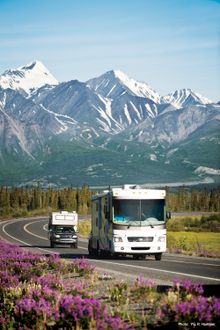
In Kluane National Park, the spring thaw reveals immense icefields and towering peaks, including Mount Logan, offering a powerful glimpse of one of Canada's wildest landscapes in transition. One of the best places to spot Dall Sheep is on Sheep Mountain located in Kluane National Park and Reserve. There are dozens of Dall's sheep here. Drive slowly through the valley as sheep often come down onto the roads. For a closer look, park at a pullout and hike.
Take me to the Yukon this Spring with Journeyscape:
Journeyscape offers a 10-day Highlights of the Yukon fly-drive itinerary from £2095pp. The trip includes international return flights, car hire and accommodation, allowing travellers to explore Yukon's spectacular landscapes including Whitehorse, Kluane National Park, Dawson City and Tombstone Territorial Park at their own pace.
To book, visit www.journeyscape.com or call 0203 883 7174.
About Yukon
Tucked into Canada's far Northwest beside Alaska, the Yukon is the country's most accessible northern destination. It is home to Mount Logan, Canada's highest peak, and the world's largest non polar icefields in Kluane National Park. Nearly 80 percent of the territory remains untouched wilderness, creating vast landscapes rich with wildlife. The region offers unparalleled access to nature, culture and northern adventure.
Getting to the Yukon: Air Access
Reaching the Yukon is easy thanks to convenient air links from major Canadian hubs. Air North, The Yukon's Airline, offers year-round jet service from Whitehorse to Vancouver, Victoria, Kelowna and Edmonton, plus seasonal routes to Toronto and Ottawa via Yellowknife, as well as northern connections to Dawson City, Old Crow and Inuvik. Air Canada operates daily flights to Whitehorse from London via Vancouver. WestJet provides seasonal service from London to Whitehorse via Calgary (overnight in Calgary required) from June to early September.
For further information on the Yukon, visit www.travelyukon.com