 10 Mar 2026
Tags: #StAugustine, #FloridasHistoricCoast, #FortMose

St. Augustine, Fla. (March 10, 2026) – Florida's Historic Coast has been the backdrop for some of the most significant chapters in Black history. St. Augustine's importance in African American history continues to grow—the city has been selected as the future home of the Florida African American Museum, further recognizing its pivotal role in the state's cultural and historical narrative.
This June, in recognition of Juneteenth, visitors are invited to explore authentic historic sites, powerful living-history experiences, and cultural events that illuminate the enduring legacy of freedom and resilience.
Juneteenth, officially Juneteenth National Independence Day, commemorates June 19, 1865, when Major General Gordon Granger arrived in Galveston, Texas, and issued General Order No. 3, enforcing the Emancipation Proclamation more than two years after President Abraham Lincoln signed it on January 1, 1863. The federal holiday marks the effective end of slavery in the United States.
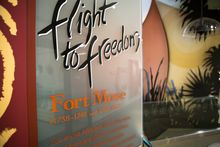
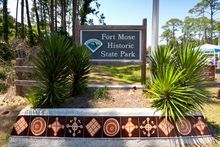
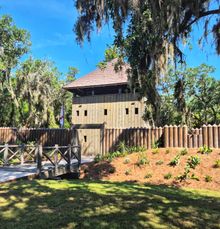
St. Augustine holds a unique place in Black History, most notably as the site of the first free Black settlement. Gracia Real de Santa Teresa de Mose, now Fort Mose National Historic Park, is the site of the first legally sanctioned community of freed slaves in what is now the United States. Its residents were mainly enslaved West Africans who escaped from the British colonies of South Carolina and Georgia. The settlement was established as both a military and residential community to defend the northern boundary of St. Augustine.
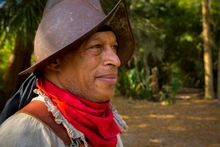
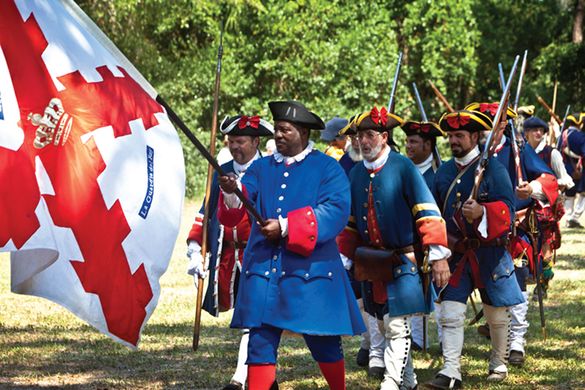
On June 27, living historians representing free Black Fort Mose militia, Spanish militia, and Native American allies will fight the British and Scottish invaders at the Battle of Bloody Mose, a reenactment of the battle that took place on June 26, 1740, during General Oglethorpe's invasion of Spanish Florida. The battle ultimately ended Oglethorpe's campaign against St. Augustine. Reenactments take place at 11am and 1pm and are free.
The Fort Mose Historical Society has been pivotal in preserving and promoting the history of Fort Mose. Visitors and locals alike can help support this community organization by competing in the 14th Annual Fort Mose Annual Golf Tournament on June 14 at the St. Johns Golf Club. Open to seasoned and pro golfers, this is a major fundraiser supporting the work of the Fort Mose Historical Society.
Visitors can download and use the Black History App, which guides users to significant landmarks throughout the city, including:
- Lincolnville, a historic neighborhood founded in 1866 by formerly enslaved residents that became a center of Civil Rights activity in the 1960s. Dr. Martin Luther King Jr., Dr. Robert B. Hayling, Rev. Andrew Young, and C.T. Vivian were among the leaders who organized and stayed there. The former site of the
- The former site of the Monson Motor Lodge (now the Hilton Historic Bayfront) The location of a 1964 “swim-in” protest that helped galvanize national attention on segregation and led to the arrest of 16 rabbis advocating for desegregation.
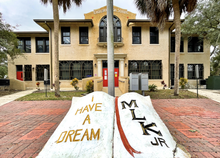
- The historic Excelsior School Building, the county's first public high school for Black students, now home to the Lincolnville Museum and Cultural Center. Saved from demolition in the 1980s, the building stands as a testament to community preservation efforts.
The Lincolnville Museum and Cultural Center. highlights local Black history, including the neighborhood's Civil Rights legacy, the military service of Black residents, and notable Excelsior alumni such as NFL player Willie Galimore.
Local arts organizations are also marking Juneteenth with special performances. The Gamble Rogers Folk Festival's Live from the Waterworks series will feature GRAMMY®-nominated musician Guy Davis on June 20.
To learn more about Juneteenth events and other cultural experiences, visit www.FloridasHistoricCoast.com and sign up for the weekly e-newsletter highlighting upcoming events and activities on Florida's Historic Coast.
Located midway between Daytona Beach and Jacksonville, Florida's Historic Coast includes historic St. Augustine, the outstanding golf and seaside elegance of Ponte Vedra, the rural beauty of Hastings, Elkton, St. Johns, and 42 miles of pristine Atlantic beaches. Visitor Information Centers are located at 10 Castillo Drive, St. Augustine; 200 Solana Rd. Suite B, Ponte Vedra Beach; and at the St. Johns County Beach Pier Park, 350 A1A Beach Blvd., St. Augustine Beach. For advance travel information, call 1-800-653-2489 or go to the Visitors and Convention Bureau website at www.FloridasHistoricCoast.com. Check us out on social media Instagram @FloridasHistoricCoast; Facebook.com/OfficialStAugustine; and Threads @floridashistoriccoast