 27 Jan 2026
Tags: tokyo, Japan, Edo, Old meets New, Edo Tokyo, Old Tokyo, Museums, Attractions, Time travel, Japanese culture, Japanese tradition, cultural tourism

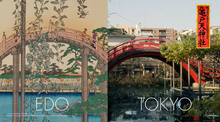
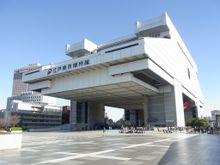
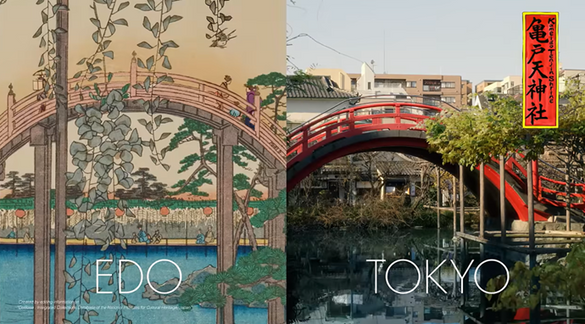
Tokyo invites the world to rediscover its cultural roots through “Edo Tokyo,” a renewed focus on the city's historical identity, highlighted by the reopening of the Edo-Tokyo Museum on 31 March 2026.
Before it became known as Tokyo, Japan's capital was called Edo, a fishing village that grew into one of the world's largest cities during the Edo period (1603–1868). This era shaped the foundations of modern Tokyo, influencing its urban layout, commerce, arts, food culture, and everyday life. Today, traces of Edo remain woven throughout the city, offering visitors a unique opportunity to experience history alongside contemporary life.
Following an extensive renovation, the Edo-Tokyo Museum will once again serve as a gateway to understanding Tokyo's transformation from feudal Edo to the dynamic global capital it is today. Through immersive exhibitions, large-scale architectural reconstructions, and storytelling that brings daily life and culture to life, the museum offers a compelling introduction to Tokyo's past.
Exploring Edo Beyond the Museum
The spirit of Edo can be experienced well beyond the museum walls. Across Tokyo, visitors can encounter living history through a collection of iconic sites that continue to shape the city's cultural landscape:
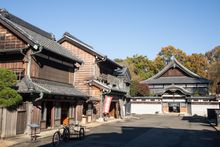
- Edo-Tokyo Open-Air Architectural Museum
Located in Koganei Park, this open-air museum preserves historic buildings from the Edo through early Showa periods, allowing visitors to walk through traditional townhouses, shops, and public buildings. - Ryogoku Kokugikan
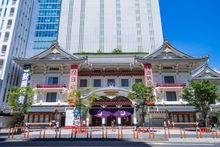
The heart of Japan's national sport, sumo. Ryogoku has been closely associated with sumo since the Edo period, when the sport developed as both ritual and popular entertainment. - Kabukiza Theatre (Ginza)
Tokyo's principal kabuki theatre, where visitors can experience a performing art that originated in Edo's lively entertainment districts and continues to captivate audiences today. - Nihonbashi Bridge
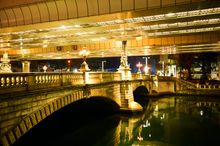
Once the starting point of the Five Highways of Edo Japan, Nihonbashi symbolised travel, trade, and connection, and remains a historic and commercial centre of Tokyo. - Rikugien Garden
A classic Edo-period strolling garden, Rikugien reflects traditional landscape design inspired by poetry, seasonal beauty, and refined aesthetics.
Together, these destinations offer a multi-layered experience of Edo Tokyo, where history is not confined to museums but lives on in neighbourhoods, traditions, and everyday scenes. For travellers and culture enthusiasts wishing to explore the theme more deeply, the Tokyo Metropolitan Government has launched the official platform Journey through Edo's Legacy, featuring curated itineraries, historical insights, and travel inspiration focused on Edo culture.
Additional Edo-themed travel ideas and inspiration are also available on GoTokyo.org, Tokyo's official tourism website.
-ends-
Official Tokyo Brand: https://tokyotokyo.jp
Official Tokyo Travel Guide: www.gotokyo.org