 11 Dec 2025
Tags: Sustainability, Sustainable Tourism, Great Barrier Reef, green travel, Australia, Queensland

Diverse marine life joins Great Barrier Reef spectacle
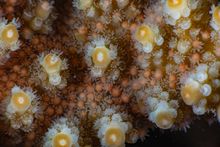
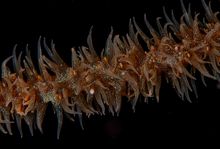
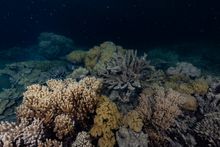
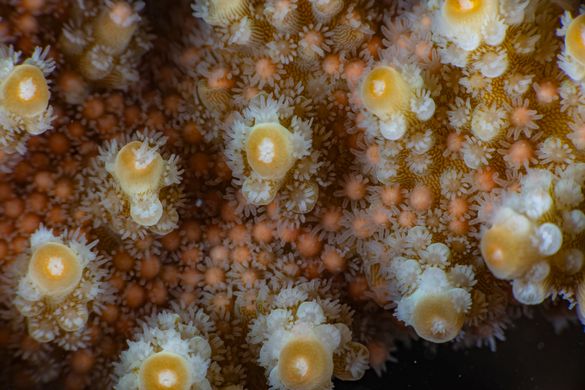
10 December 2025 It may not snow in Queensland in December, but underwater, the Great Barrier Reef is putting on its own kind of snowfall in a dazzling underwater exhibition of new life. Giant clams, molluscs and gastropods joined the Great Barrier Reef's headline event, the annual synchronised coral spawning, across much of the 2600km/1615 miles length of the Reef last night (9 December 2025), putting on a jaw-dropping show after some corals performed a curtain raiser in November. This underwater snowstorm of coral sperm and eggs showcases one of the world's most visually incredible natural phenomena.
Sunlover Reef Cruises Master Reef Guide Michelle Barry and Marine Education Leader Abbi Robinson monitored the event at Moore Reef alongside the Sunlover pontoon. Barry, a marine biologist who has worked on the Great Barrier Reef for 15 years and witnessed eight spawning events, said being underwater last night was absolute chaos in the best possible way.
“At one point I completely lost visibility — there were so many eggs and sperm in the water it felt like being caught in a pink underwater blizzard. It reminds me of snowstorms back home in the US, but this one was alive and buzzing with new life. As trillions of tiny coral larvae form and drift, every creature on the Reef gets involved. Worms, sea cucumbers, crustaceans and countless other invertebrates flock in to feed on the nutrient-rich spawn, creating a frenzy of underwater activity. It's incredible to witness. A real reminder that the Great Barrier Reef is very much alive.”
Sunlover's female-led marine biology team conducts weekly biodiversity surveys and long-term monitoring across sites surrounding Moore Reef as part of the Federal Government's Tourism Reef Protection Initiative. Following the December spawning spectacular, the team will complete annual pre-summer surveys to establish baseline data ahead of the summer season.
Marine biologist Abbi Robinson says this data is invaluable to understand the health of the Reef.
“The mass spawn shows the corals are healthy and resilient — reproduction at this scale is a strong sign they're still adapting,” she said. But climate change remains the biggest threat to coral reefs worldwide. Monitoring gives us a clear picture of how our section of the Reef is coping and lets us respond quickly if there's a heatwave or disturbance.”
Further south on the Reef, Lady Elliot Island's Environmental Manager and Master Reef Guide Jessica Blackmore said the Southern Great Barrier Reef was in great shape heading into the summer reproductive season. While some northern and central reefs fired up in November, Lady Elliot Island saved its main act for December, with Ms Blackmore adding that this year's “split spawn” reflected natural rhythms of moonlight and temperature. The island's long-running conservation efforts have also played a big role in setting up a strong season, helping set the stage for a next-level spawn.
“Our sustainability initiatives and education programs reduce our environmental footprint and inspire others to make positive change, and our revegetation program is restoring the island's habitat. Together, these actions contribute to strong, resilient coral communities,” Ms Blackmore said.
And while scientists watched closely, it's the emotional impact that sticks with visitors lucky enough to witness the coral's once-a-year release of life. For Blackmore, it never gets old. “Being in the water during a mass spawning event is truly awe-inspiring. It's uniquely beautiful, there's really no other natural event like it.”
Why Two Spawning Events? The mass coral spawning is triggered by the November full moon, but different coral species follow slightly different biological clocks.
· Some spawn earlier in the season (often in November).
· Others wait for the optimal water temperatures and day-length cues that fall in December.
· Many soft corals are simultaneous hermaphrodites, releasing both eggs and sperm that mix in the water column before developing into swimming planula larvae.
· Others reproduce asexually or stagger their spawn for better survival odds.
This creates two distinct, yet connected, spawning windows — a warm-up in November followed by a larger, synchronised event in December.
What is coral spawning Triggered by water temperature and the lunar cycle, coral spawning is a mass synchronised event where entire colonies of corals release their eggs and sperm bundles simultaneously. It typically occurs one to six nights after the October, November and December full moons with different parts of the 2600km-long Great Barrier Reef spawning in different months. The northern and shallow inshore reefs tend to spawn earlier.
Once the sperm fertilise the eggs, they develop into tiny larvae called planulae and settle on the reef substrate, growing into new coral colonies to help repopulate the reef. It usually happens at night with many other marine creatures spawn alongside the corals to help protect against predators.
ENDS
Media assets (please note credit and disclaimers as per file name): Dropbox here
Media contact Tourism and Events Queensland rae@raewhite.co.uk or rae.white@queensland.com m 07554 187066
Citizen Science across the Great Barrier Reef - how visitors can get involved
Reef Magic Reef Recovery
Get hands-on experience in coral reef restoration with marine biologists and cultural guides by helping to tie coral fragments to Reef Stars on a Reef Recovery Day at the Reef Magic pontoon off Cairns. The Reef Cooperative Reef Star Project installs the stars on areas of coral rubble created by extreme weather events to help regenerate degraded coral reef sites.
Be a Marine Bio
Snorkellers work alongside a Master Reef Guide on the Be a Marine Bio private guided eco tour on Passions of Paradise to collect data on the Great Barrier Reef. Spend the day helping to monitor coral planting in the Coral Nurture Program and undertaking surveys for the Great Barrier Reef Marine Park Authority's Eye on the Reef network. An Eco Discovery Snorkelling Tour is also available for a behind-the-scenes look at reef restoration, citizen science and marine research joining a marine biologist on their mission to protect the reef, one splash at a time.
Eye on the Reef
Eye on the Reef invites anyone who visits the Reef to become a citizen scientist – logging sightings, reef health data or incidents via its free app to help protect the Great Barrier Reef. Whether you're snorkelling or diving, it's a simple, powerful way to give back with every sighting counting towards the reef's long-term health and protection.
Monsoon Aquatics
Most people have heard about the yearly mass spawning event on the Great Barrier Reef, but what isn't that well known is that multiple coral species on the Reef spawn outside of this time. The team at Monsoon Aquatics spawn multiple species of coral each year at their land-based Bundaberg facility from September right through to March. Reef lovers can wander through more than 70,000 corals and 200 marine species and uncover the art, science and cutting-edge research shaping the future of reef restoration.
Research hubs
Dive into real reef science at some of the Reef's most famous research hubs. At Heron Island Research Station, tour the world-class labs, walk on a coral cay fringed by reef sharks and turtles, then peek behind the scenes where scientists study reef resilience and marine ecosystems. On Orpheus Island join an eco-tour that journeys into the research station's wet labs and live-reef tanks. Up north on Lizard Island, the research station runs guided tours (for guests) and hosts dozens of reef science projects each year, giving visitors a front-row seat to coral reef conservation in action.
Eco Barge Clean
Eco Barge Clean Seas Inc. works across the Whitsundays and the Great Barrier Reef to clear marine debris, care for injured sea turtles and turn collected ocean litter into recycled products. The organisation offers a 1.5-hour “Eco HQ” tour in Airlie Beach: visitors explore the Turtle Rescue Centre, watch ocean plastics being transformed, and take part in a hands-on recycling activity to learn about reef conservation.